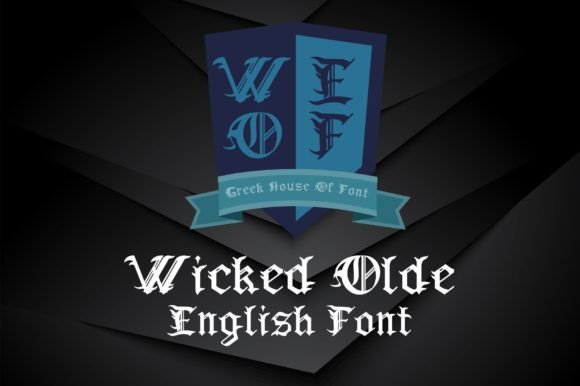
Wicked Olde English: A Timeless Font for Creative Projects
Fonts are more than just tools for displaying text—they’re visual storytellers. Choosing the right typeface can elevate your design, evoke emotion, and set the tone of your message. If you're looking to add a touch of history, sophistication, or mystique to your project, Wicked Olde English is an excellent choice. This blackletter font blends vintage charm with a slightly Victorian and Gothic flair, making it ideal for creative endeavors that need an old English vibe.
The Charm of Wicked Olde English
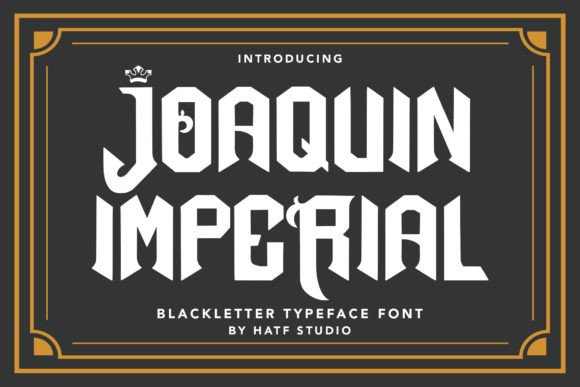
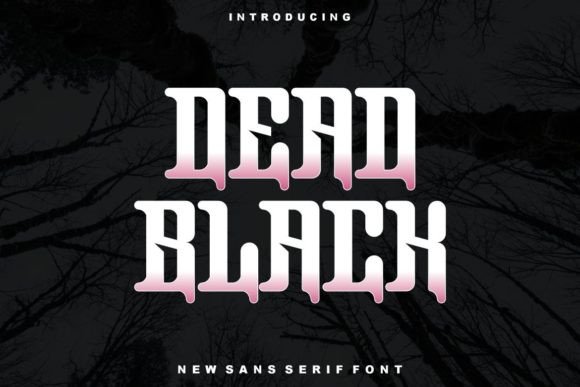
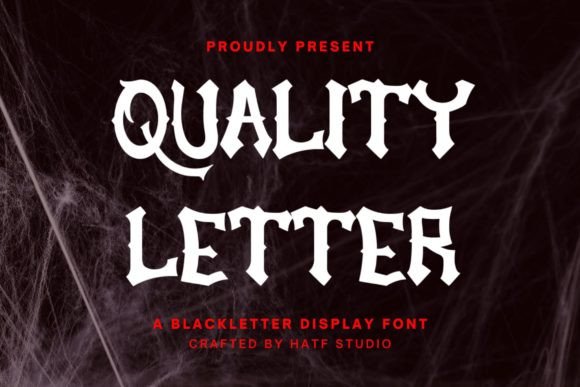
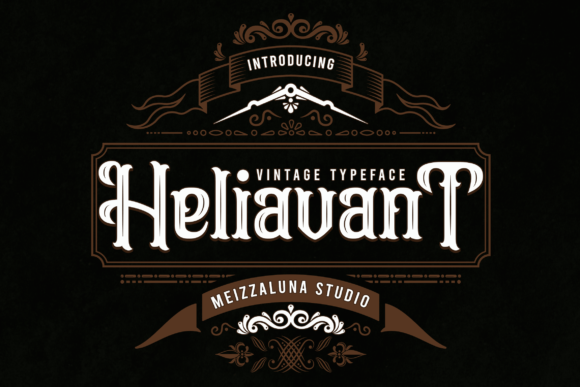
Blackletter fonts have long been associated with tradition, elegance, and historical significance. Wicked Olde English, in particular, captures the essence of early English typography while adding a subtle modern twist. Its intricate strokes, bold serifs, and flowing letterforms create a sense of timelessness that can immediately draw attention and convey authenticity.
What sets this font apart is its balance between readability and character. Unlike some ornate blackletters that can be difficult to read at smaller sizes, Wicked Olde English maintains enough clarity to work effectively across various applications. Whether you're designing a logo, crafting a website headline, or printing event invitations, this font brings a rich, textured look without overwhelming the content.
Creative Uses Across Industries
Designers, marketers, educators, and entrepreneurs can all find unique ways to incorporate Wicked Olde English into their work. Here’s how different professionals might use it:
- Graphic Designers: Use it for vintage posters, book covers, or brand logos that evoke heritage and tradition.
- Bloggers & Publishers: Add a dramatic title to a historical blog post or feature article about medieval England.
- Event Planners: Create visually striking wedding invitations, birthday cards, or themed party fliers with this gothic aesthetic.
- Marketers: Highlight product names or taglines in campaigns targeting niche markets like fantasy, literature, or luxury goods.
- Freelancers & Small Business Owners: Boost the visual appeal of marketing materials such as brochures, packaging, or social media posts.
Each application benefits from the font's distinct personality, which adds depth and context to whatever it's used on.
Project Ideas That Shine With Wicked Olde English
Here are a few project ideas where Wicked Olde English could be the perfect fit:
- Historical Document Reproductions: When creating replicas of old manuscripts or letters, this font lends an air of authenticity that helps immerse viewers in the past.
- Fantasy Branding: Game developers, authors, or indie creators working in the fantasy genre can use it for titles, magical sigils, or promotional banners.
- Book Titles & Subheadings: Especially effective for novels, poetry collections, or non-fiction books centered around British history, mythology, or classic literature.
- Vintage-Inspired Websites: For sites with a retro theme—like antique shops, artisanal breweries, or boutique hotels—this font enhances the nostalgic feel.
- Custom Merchandise: T-shirts, mugs, or tote bags with clever slogans styled in Wicked Olde English can become eye-catching collector items.
How to Style Wicked Olde English Effectively
While Wicked Olde English has a strong visual presence, it works best when paired with thoughtful styling. Here are some tips to keep your designs clear and impactful:
- Contrast Is Key: Pair the font with a clean sans-serif (like Helvetica or Arial) for body text to maintain readability.
- Color Choices Matter: Go for earthy tones like deep browns, muted greens, or aged parchment yellows to complement its traditional feel.
- Use Sparingly: Because of its complexity, reserve Wicked Olde English for headlines, titles, or short phrases rather than large blocks of text.
- Add Texture: Consider applying subtle effects like ink stains, watercolor backgrounds, or parchment textures to enhance the vintage atmosphere.
- Consider Line Spacing: Due to its dense structure, increasing the line height can improve legibility and prevent visual clutter.
Adapting the Font for Different Audiences and Platforms
Depending on your audience and platform, Wicked Olde English can be adapted to suit varying needs:
For Print Projects
Print allows for greater control over typography, so take full advantage of the font's details. It looks particularly impressive in high-quality offset printing for invitations, certificates, or custom stationery. The physical texture of paper combined with the font's ornate style can create a truly memorable experience.
For Digital Media
In digital formats, ensure the font is embedded properly and consider using web-safe alternatives if necessary. On websites, pair it with responsive design elements so it adapts well to mobile screens. In video projects, especially those with a historical or fantasy theme, animated text in Wicked Olde English can add drama and visual interest.
For Educational Content
Educators can use this font to make presentations or handouts more engaging. When teaching about the Middle Ages, Shakespearean language, or calligraphy techniques, Wicked Olde English can serve as a visual aid that reinforces the topic's themes and aesthetics.
For Social Media
On platforms like Instagram or Pinterest, where visuals play a major role, this font can help stand out in a sea of minimalist trends. Use it for quotes, captions, or branded hashtags to create a cohesive and stylish look.
Maintaining Clarity and Consistency
While Wicked Olde English is beautiful and expressive, it's important to keep your overall design organized and consistent. Here’s how to do it:
- Set Clear Hierarchy: Let the font guide the viewer’s eye but don’t overuse it. Maintain a logical structure by using it only where emphasis is needed.
- Test for Readability: Before finalizing a design, test it on different devices and audiences. You want people to appreciate the font, not struggle to read it.
- Stick to a Theme: If you're using Wicked Olde English for branding, ensure all other design elements—colors, imagery, layout—align with the same historical or vintage theme.
- Balance Ornamentation: Don’t let the font distract from the message. Keep supporting visuals simple and elegant to maintain focus.
By treating Wicked Olde English as part of a larger design system rather than a standalone element, you’ll achieve both impact and functionality.
Why Choose Wicked Olde English?
There are countless fonts available online, but few capture the essence of old English quite like Wicked Olde English. Its blend of Gothic and Victorian influences gives it a unique versatility—whether you're going for a scholarly look or something more whimsical and mystical. Plus, its availability in multiple weights and styles makes it adaptable to various contexts.
Many users find that Wicked Olde English stands out in a way that simpler fonts can't. It doesn’t just look good—it tells a story. And in today’s saturated market, standing out through thoughtful typography can be the difference between being noticed and being overlooked.
Real-World Examples of Wicked Olde English in Action
To give you a better idea of how to use Wicked Olde English, here are a few real-world examples:
- A bookstore uses it for window displays and signage to emphasize its curated collection of classics and rare finds.
- An online shop selling handmade candles and herbs incorporates the font into its branding for a natural, artisanal feel.
- A historical tour company applies it to brochures and email headers to reflect the grandeur of the locations they visit.
- A musician specializing in folk and Celtic tunes includes it in album art and concert flyers to match the thematic content.
- A restaurant serving traditional English fare uses it for menu headers and event announcements to highlight its heritage-inspired cuisine.
These examples show how Wicked Olde English can be tailored to different industries and purposes, always enhancing the overall message with its timeless appeal.
Getting Started with Wicked Olde English
If you're ready to experiment with Wicked Olde English, here’s how to begin:
- Download or Purchase: Look for reputable font retailers or designers who offer this font for commercial use. Always verify licensing terms before use.
- Explore Combinations: Try pairing it with complementary fonts in your design software. Canva, Adobe Illustrator, or Figma are great places to start.
- Create Mood Boards: Visualize how the font fits into your overall design scheme by building mood boards with colors, images, and layouts.
- Prototype Your Design: Test the font in mockups of your intended output—whether digital or print—to see how it performs in real-world conditions.
- Seek Feedback: Show your work to others and ask what feels most authentic or appealing. Sometimes, a fresh perspective can unlock new possibilities.
Remember, the best results come from thoughtful experimentation. Don’t be afraid to try new things, but always prioritize clarity and usability alongside creativity.
Conclusion
Wicked Olde English is more than just a font—it’s a design tool that bridges the past and present. Whether you're a professional designer or someone exploring creative projects for fun, this typeface offers a compelling way to infuse your work with character and historical resonance. Used wisely, it can transform a simple headline into a powerful statement, a basic poster into a captivating piece of art, or a plain website into a portal to another era.
So next time you're brainstorming a new project, consider reaching for Wicked Olde English. It might just be the missing ingredient your design needs to stand out and tell a story worth remembering.